Artificial Intelligence Applications in Tailoring Bonus Structures for Smartphone-Based Casino Platforms
Written by Ellis Zimmermann · Jun 8, 2026
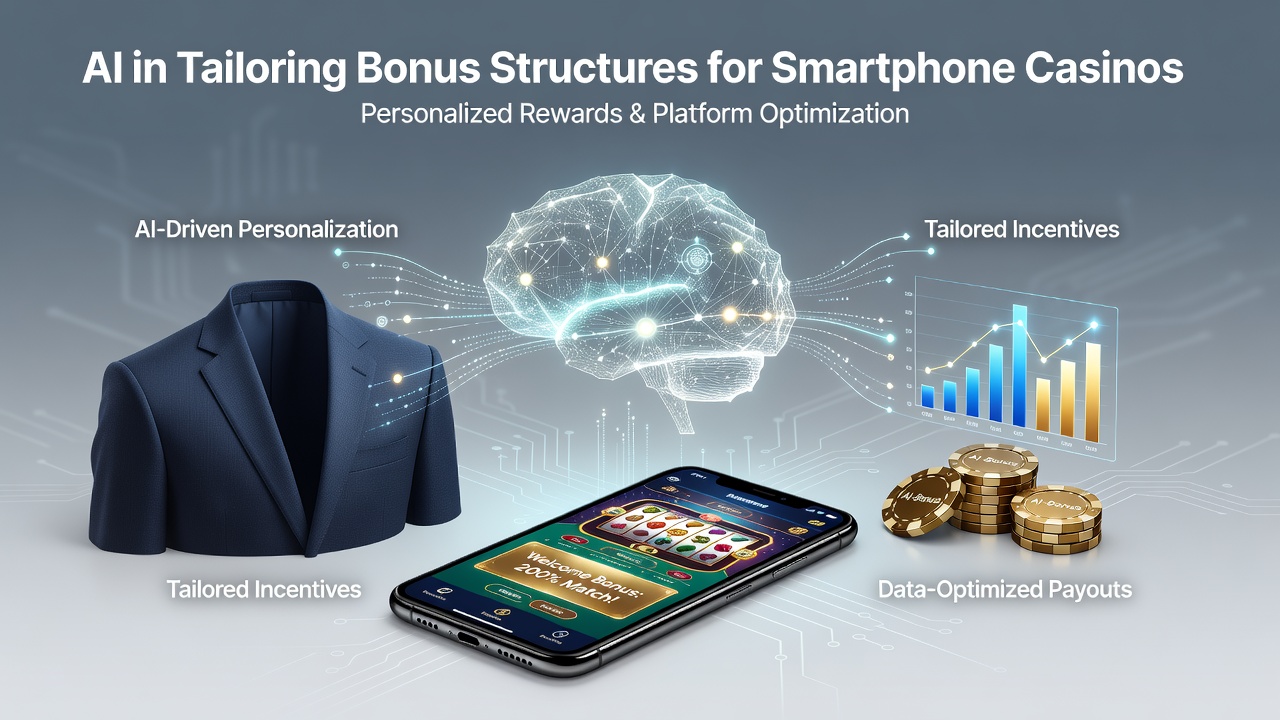
Artificial Intelligence Applications in Tailoring Bonus Structures for Smartphone-Based Casino Platforms
Smartphone-based casino platforms now rely on artificial intelligence systems to adjust bonus structures according to individual player behaviors and session patterns, and these systems process vast datasets from mobile interactions to determine reward types, amounts, and timing. Developers integrate machine learning models that track deposit frequency, game preferences, and time spent on specific titles while operators apply these insights to create offers that align with user activity levels across different regions.
Data Processing Foundations in Mobile Environments
Artificial intelligence tools collect anonymized information from smartphone sensors and app usage logs, then apply clustering algorithms to group players by engagement metrics such as average session length and feature activation rates. Platforms in North America and Europe have adopted these methods to refine no-deposit bonuses and free spin allocations, with data from 2025 showing increased retention when bonuses match predicted play styles. Regulatory bodies including the Nevada Gaming Control Board have reviewed AI-driven compliance protocols that ensure bonus terms remain transparent during automated adjustments.
One study from a Canadian research institution examined how neural networks predict churn risk by analyzing swipe patterns and in-app navigation paths, and results indicated that tailored bonus triggers reduced drop-off rates by measurable percentages in controlled trials. Operators feed these predictions into real-time decision engines that activate personalized promotions during active sessions rather than at fixed intervals.
Algorithmic Customization of Reward Mechanisms
Machine learning frameworks evaluate historical player responses to previous offers and generate new bonus structures through reinforcement learning loops, which test variations in reward size and eligibility criteria on segmented user groups. Smartphone platforms utilize this approach to differentiate between high-frequency depositors who receive matched deposit bonuses and casual users who encounter loyalty-based free play credits. Systems monitor conversion rates continuously and shift parameters when engagement metrics fall below established thresholds.

Reports from the Australian Communications and Media Authority highlight how regional operators implemented AI oversight layers that flag bonus configurations potentially violating responsible gaming guidelines, and these layers incorporate location-based data from mobile devices to enforce jurisdictional limits. In June 2026 several platforms rolled out updated models that incorporate weather and time-zone variables into bonus timing calculations, because player activity often correlates with external daily routines tracked through device permissions.
Integration Challenges Across Global Platforms
Cross-border data flows create technical hurdles for AI systems that must reconcile varying privacy standards while maintaining consistent bonus personalization across smartphone networks. Industry associations such as the European Gaming and Betting Association have documented cases where federated learning techniques allow models to train on distributed datasets without centralizing sensitive information. These methods preserve model accuracy while operators adjust bonus structures for users in multiple regulatory environments simultaneously.
Developers have observed that combining natural language processing with behavioral data enables platforms to deliver bonus notifications through in-app messaging that match individual communication preferences, and this integration has expanded since early 2025 deployments. Testing environments simulate millions of player interactions to validate that AI recommendations remain stable under peak mobile traffic conditions common during evening hours in different time zones.
Regulatory and Technical Oversight Developments
Government agencies in multiple jurisdictions require documentation of AI decision pathways used for bonus allocation, and audits focus on whether algorithms inadvertently favor certain demographic segments identified through mobile metadata. Research papers published by academic teams in Singapore have explored bias detection modules that scan for unintended correlations between device type and bonus eligibility, leading some operators to recalibrate their systems accordingly.
Platform providers continue to refine edge computing applications that run portions of the AI models directly on smartphones, which reduces latency when applying real-time bonus modifications during live gaming sessions. These local processing techniques complement cloud-based analytics and help maintain functionality in areas with intermittent connectivity while still delivering customized reward offers.
Conclusion
Artificial intelligence continues to reshape how smartphone casino platforms structure bonuses by connecting player data patterns with automated reward systems, and ongoing developments in June 2026 reflect further refinements in model transparency and regional compliance. Organizations track performance indicators through established reporting channels while technical teams address integration requirements across diverse mobile ecosystems. The combination of algorithmic analysis and regulatory frameworks supports systematic adjustments that align bonus mechanics with observable user behaviors on portable devices.