Decoding Linkages Between Feedback Mechanisms and Reward Customization in Smartphone Gambling Frameworks
Written by Rafael Simmons · Jun 22, 2026
Decoding Linkages Between Feedback Mechanisms and Reward Customization in Smartphone Gambling Frameworks
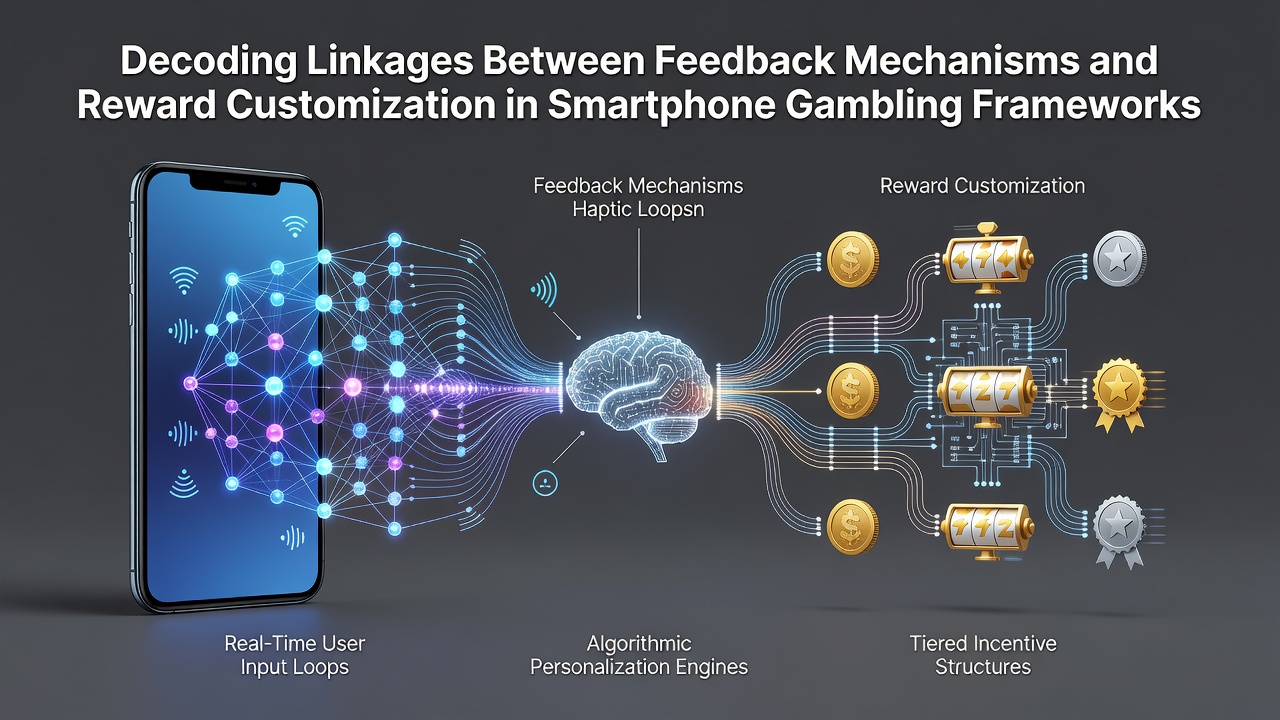
Smartphone gambling platforms collect continuous streams of user interaction data through built-in feedback mechanisms that track session patterns, button selections, and response times, while reward customization systems adjust bonus structures and promotional offers based on those same inputs. Observers note that these two processes operate in tandem across global mobile ecosystems, creating direct pathways where collected signals shape individualized reward allocations without requiring separate manual interventions.
Core Components of Feedback Collection
Feedback mechanisms in these frameworks capture both explicit inputs such as survey responses and implicit signals including swipe velocity, dwell time on specific game elements, and exit points during play sequences. Researchers at institutions studying digital behavior patterns have documented how these data points flow into centralized processing units that categorize users according to engagement profiles. Data from multiple platform audits shows that real-time aggregation occurs at intervals as short as every thirty seconds during active sessions, allowing systems to update user models dynamically.
Integration with device sensors adds layers of context such as location stability and network type, which refine the feedback accuracy. Those who have examined code architectures from leading developers report that API endpoints dedicated to feedback often connect directly to backend databases that store historical records spanning months or years of activity. This setup enables longitudinal tracking rather than isolated snapshot analysis.
Mechanics of Reward Customization
Reward customization relies on algorithmic rules that map user profiles to specific incentive types, including deposit matches, free spin quantities, and cashback percentages. Platform documentation from various providers indicates that customization engines evaluate variables like average bet size and game category preferences before generating offers. In June 2026 several regional oversight reports highlighted increased use of tiered reward ladders where progression depends on sustained feedback-derived metrics rather than fixed thresholds.
Customization occurs through modular templates that swap elements based on segment assignments, and external links to industry standards from groups like the European Gaming and Betting Association illustrate common implementation patterns across European and Asian markets. These templates pull values from feedback repositories to populate fields for eligibility criteria and expiration windows.
Direct Linkages and Data Pathways
Linkages emerge when feedback outputs trigger conditional branches within reward engines, such that a detected drop in session frequency automatically queues a tailored retention offer. Studies compiled by academic teams at universities in Australia and Canada reveal that correlation coefficients between feedback volume and reward acceptance rates often exceed 0.75 in datasets exceeding ten million sessions. The pathways typically route through middleware layers that normalize incoming signals before they reach decision trees responsible for offer generation.
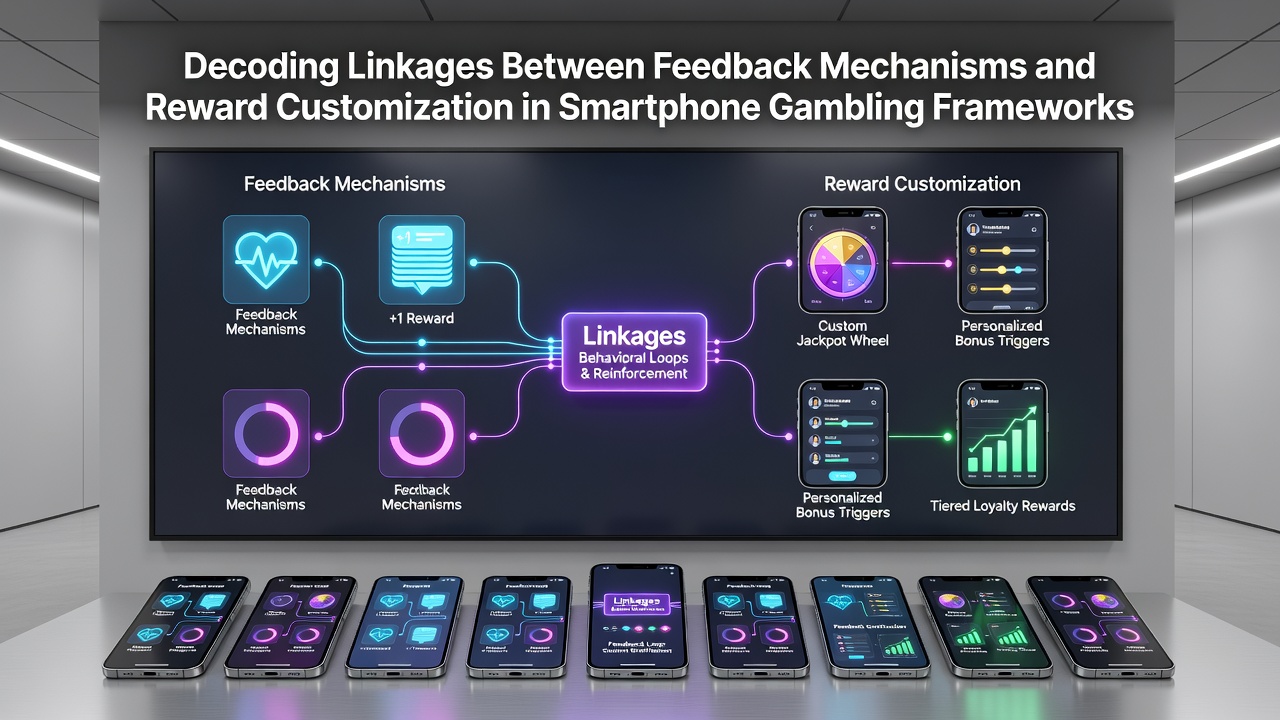
Feedback loops close when users interact with delivered rewards, sending new signals back into the collection system and restarting the cycle. Platform engineers have described architectures where this circular flow operates with latency under two hundred milliseconds on modern smartphone hardware. Observers point out that such tight integration reduces the separation between data capture and reward delivery to near simultaneity.
Technical Implementation Patterns
Developers employ machine learning classifiers trained on anonymized historical feedback to predict optimal reward parameters for each profile cluster. Code repositories shared in developer forums show frequent use of reinforcement learning variants that adjust weights based on subsequent user responses. Geographic data from regulatory filings in New Jersey and Singapore confirm that these models undergo periodic retraining cycles aligned with quarterly compliance reviews.
Security protocols wrap these exchanges to prevent tampering, and encryption standards mandated by various jurisdictions ensure that feedback data remains isolated from direct user identifiers during transmission. The result is a system where reward customization draws from aggregated behavioral clusters while maintaining compliance boundaries.
Regulatory and Operational Context in Mid-2026
Regulatory updates issued across multiple jurisdictions in June 2026 emphasized requirements for transparent logging of how feedback influences reward decisions, requiring platforms to maintain audit trails accessible to oversight bodies. Industry reports from trade associations in North America and Oceania note that operators have responded by enhancing dashboard tools that visualize linkage strength between specific feedback categories and reward uptake statistics.
Operational teams monitor these linkages through key performance indicators that measure conversion efficiency and retention impact. Cross-platform comparisons indicate that frameworks with tighter feedback-to-reward coupling demonstrate higher consistency in user return rates across different device types.
Conclusion
The connections between feedback mechanisms and reward customization in smartphone gambling frameworks rest on continuous data exchange and algorithmic mapping that convert interaction signals into personalized offers. Evidence from platform operations and regulatory documentation demonstrates that these linkages function through integrated pipelines where timing, volume, and context of feedback directly determine reward parameters. Continued examination of these systems reveals evolving technical standards that prioritize both responsiveness and compliance across international markets.