Examining Algorithmic Player Matching in International Mobile Gambling and Its Influence on Deposit-Free Rewards
Written by Klara Richter · Jun 6, 2026
Examining Algorithmic Player Matching in International Mobile Gambling and Its Influence on Deposit-Free Rewards
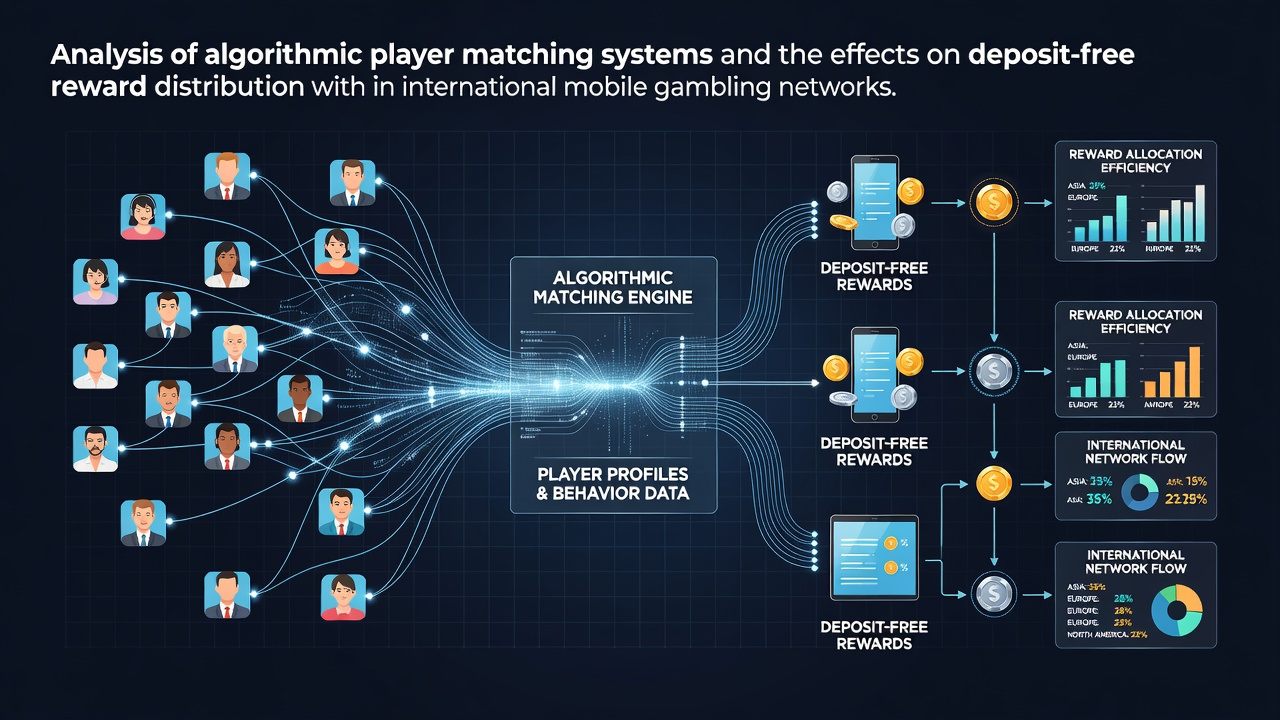
Algorithmic player matching systems have become central to how international mobile gambling networks operate, particularly when distributing deposit-free rewards such as no-deposit bonuses and free spins. These systems analyze player data including session length, game preferences, and engagement patterns to determine eligibility and allocation, which creates structured approaches that differ from traditional random or manual methods.
Researchers at institutions studying digital gaming have documented how matching algorithms group users according to behavioral profiles, allowing operators to target rewards more precisely across borders. Data from mobile platforms shows that players with consistent login times often receive different reward tiers compared to those with sporadic activity, and this pattern holds in networks spanning Europe, Asia, and North America.
Core Mechanics of Player Matching Algorithms
Matching systems rely on machine learning models that process variables like deposit history, game type frequency, and device usage to create player cohorts. Operators feed these models real-time inputs from app interactions, which then generate predictions about retention likelihood and reward uptake. Observers note that such models adjust dynamically, so a player who completes several sessions without depositing might shift into a category eligible for deposit-free offers while another with similar playtime but different game choices remains outside that group.
Studies from academic sources indicate these algorithms prioritize network efficiency, balancing reward distribution to maintain overall player activity levels. In practice this means certain mobile users encounter personalized reward prompts based on their position within matched clusters, whereas others see standard promotions regardless of individual metrics.
Impact on Deposit-Free Reward Allocation
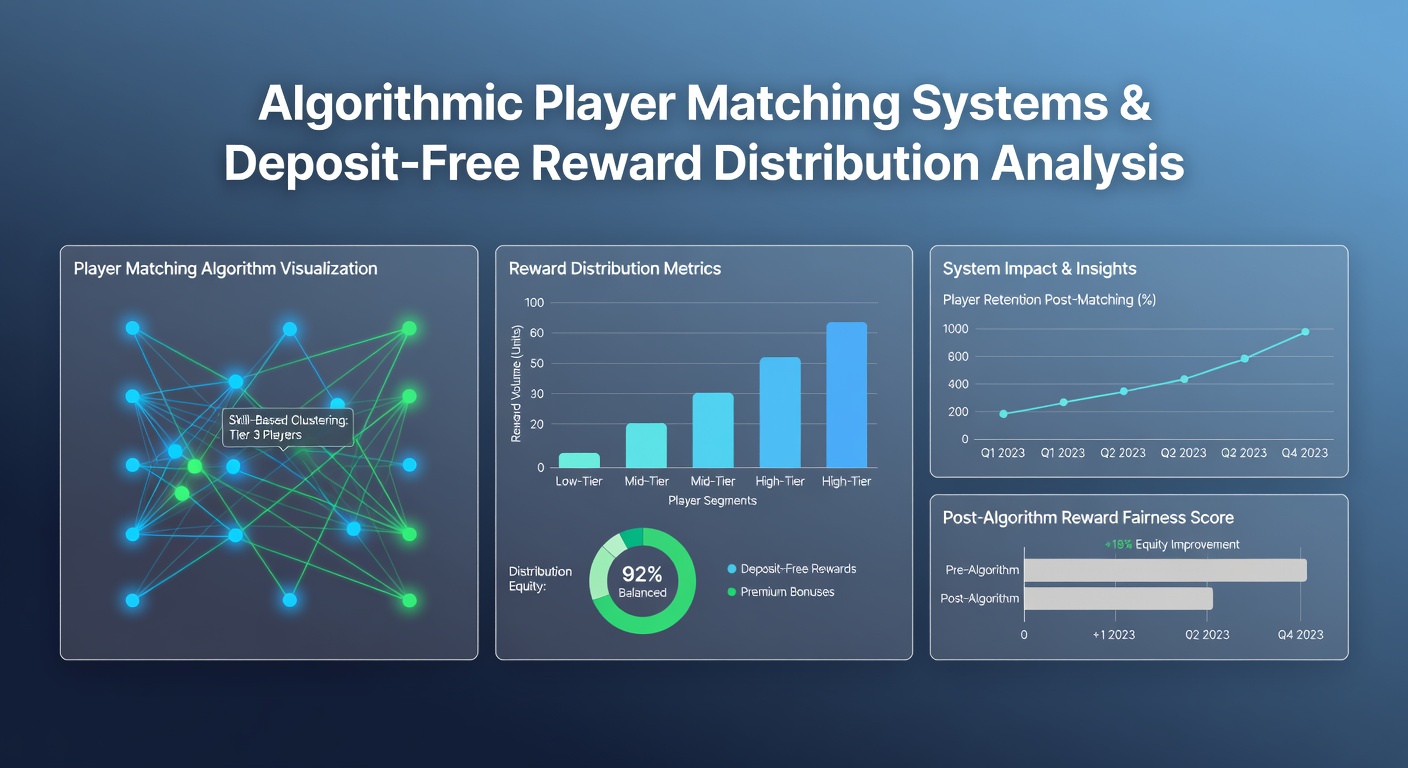
Deposit-free rewards function differently when filtered through algorithmic matching because eligibility criteria become tied to predicted behavior rather than uniform rules. Platforms operating across multiple jurisdictions report that matched groups with high projected engagement receive larger free spin packages, while lower-engagement clusters obtain smaller or time-limited offers. Figures from industry reports reveal that this segmentation has led to measurable shifts in how rewards circulate within global networks, especially on smartphone applications where session data flows continuously.
One study revealed that players matched into retention-focused segments accessed deposit-free bonuses at rates nearly double those outside such segments, although the exact distribution varies by region and regulatory environment. As of June 2026, several networks updated their matching parameters to incorporate new compliance requirements from bodies including the Malta Gaming Authority, which altered how rewards reach users in European markets.
Regional Variations in Implementation
Implementation differs notably across regulatory landscapes. Canadian provinces such as Ontario require transparent reporting on algorithmic decision-making for reward systems, which has prompted operators to document matching criteria more explicitly. In contrast, certain Asian markets allow broader latitude in how algorithms determine deposit-free reward recipients, resulting in faster iteration cycles for matching models.
Australian research centers tracking gambling technology have compiled data showing that cross-border networks often harmonize matching rules to comply with the strictest jurisdiction involved, which creates consistency in reward distribution even when players access the same platform from different countries. This harmonization affects how deposit-free offers appear to users on mobile devices, since the underlying algorithm applies a unified logic rather than location-specific variants.
Data Patterns and Network Effects
Network-level analysis demonstrates that algorithmic matching influences not only individual reward receipt but also overall traffic flow between platforms. When certain player cohorts receive deposit-free rewards at higher rates, those users tend to migrate toward games featured in the matched promotions, which in turn feeds new data back into the system and refines future matching decisions.
Evidence from multiple operator reports suggests session duration correlates with reward type within matched groups, though causation remains under ongoing examination by independent analysts. Mobile gambling networks that span international boundaries therefore experience feedback loops where reward distribution shapes engagement metrics, which then reshape the matching algorithms themselves.
Conclusion
Algorithmic player matching continues to shape deposit-free reward distribution across international mobile gambling networks through data-driven segmentation and dynamic adjustment. Regulatory developments in multiple regions, combined with ongoing technical refinements, determine how these systems evolve and how rewards reach users. Continued observation of these patterns provides clearer insight into the operational realities of modern mobile gambling platforms.