Examining How Aggregated Player Pathways Reshape Access to Tailored Zero-Cost Incentives Across Worldwide Digital Betting Frameworks
Written by Yara Lange · Jun 15, 2026
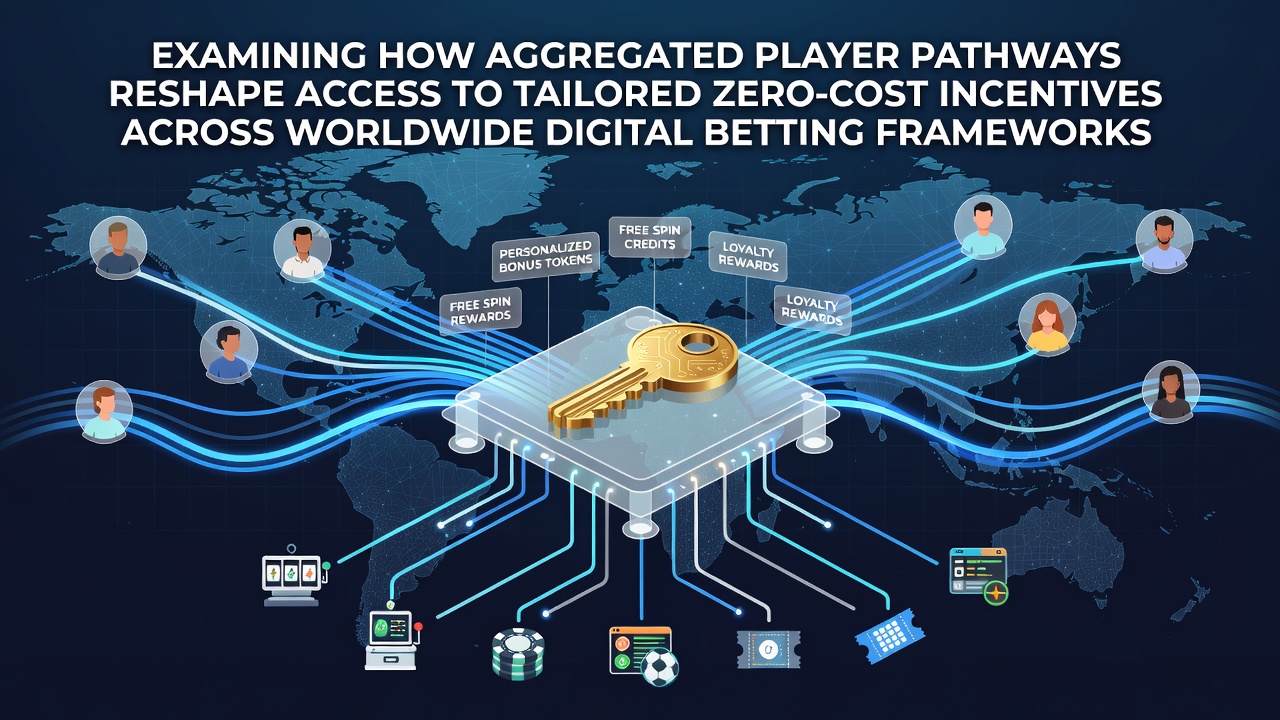
Examining How Aggregated Player Pathways Reshape Access to Tailored Zero-Cost Incentives Across Worldwide Digital Betting Frameworks
Player pathways represent sequences of actions that users take across digital betting platforms, from initial registration through repeated sessions and feature interactions, and aggregated data from these routes now drives how operators distribute zero-cost incentives such as deposit-free spins or matched credits. Researchers track these patterns through integrated analytics systems that compile anonymized behavior logs from multiple jurisdictions, allowing platforms to adjust reward eligibility based on collective trends rather than isolated user profiles alone.
Data from international mobile gambling networks shows that operators in regions including parts of Europe and North America began refining these aggregation methods during early 2026, with further adjustments reported through June of that year. Studies indicate that when pathways reveal clusters of short-duration sessions followed by feature explorations, systems automatically surface tailored incentives that match those observed behaviors, expanding reach without requiring upfront deposits from participants.
Data Aggregation Mechanisms in Global Platforms
Operators compile pathway information through APIs that link user navigation logs across smartphone applications and web interfaces, creating composite views of engagement sequences. This process draws from sources like session timestamps, game selection orders, and interaction frequencies, then applies machine learning models to identify recurring structures that correlate with higher retention rates. According to reports from the European Gaming and Betting Association, similar aggregation frameworks operated in multiple EU member states by mid-2026, supporting the delivery of zero-cost rewards calibrated to specific pathway signatures.
One study from academic researchers at the University of Sydney examined how these aggregated datasets influenced incentive distribution in Australian-regulated markets, finding that platforms adjusted free credit offers based on cross-user navigation similarities rather than individual history. The approach allowed smaller operators to participate in shared data pools, broadening access to personalized promotions that previously remained limited to larger entities with proprietary tracking tools.
Regional Variations in Incentive Delivery
North American frameworks, particularly in states with established regulatory oversight, demonstrate distinct applications of pathway aggregation. Figures from the Pennsylvania Gaming Control Board reveal that mobile betting volumes in early 2026 incorporated aggregated insights to modulate zero-cost bonus availability, with systems prioritizing users whose navigation patterns aligned with high-engagement clusters identified across the network. This method contrasts with approaches in Asian markets, where operators often integrate pathway data from live dealer integrations to trigger deposit-free rewards tied to specific game transitions.
Canadian provincial regulators have documented parallel developments, noting that aggregated pathways enable operators to extend tailored incentives to users in remote areas who exhibit navigation sequences similar to those in urban centers. Such uniformity reduces geographic disparities in reward access while maintaining compliance with local licensing conditions that govern promotional structures.

Technical Integration and Compliance Factors
Platforms achieve these outcomes by embedding pathway analytics directly into bonus engines, where algorithms process anonymized group data to generate eligibility rules for zero-cost incentives. The process relies on real-time synchronization between mobile frontends and backend databases, ensuring that detected patterns translate into immediate reward adjustments during active sessions. Observers note that this integration gained momentum after regulatory updates in several jurisdictions during the first half of 2026, which clarified standards for data handling in promotional contexts.
Industry reports highlight cases where operators in multiple countries synchronized their systems through third-party providers, allowing smaller betting frameworks to leverage aggregated insights without building custom infrastructure. This collaboration produced measurable shifts in how users encountered deposit-free offers, with eligibility expanding to segments previously excluded due to limited individual data histories.
Impact on User Access Patterns
Aggregated pathways have altered the timing and specificity of zero-cost incentives, as systems now anticipate user needs based on collective navigation trends rather than static demographic categories. Research indicates that participants whose sequences match established clusters receive offers at points of natural transition, such as after completing tutorial levels or exploring new game categories, which sustains engagement without additional barriers.
Global digital betting frameworks continue to refine these methods, incorporating feedback from regulatory bodies across continents to balance incentive personalization with privacy protections embedded in data aggregation protocols. The result appears in expanded participation rates for tailored promotions, particularly among users operating on portable devices where session pathways prove most traceable through integrated platform tools.
Conclusion
Aggregated player pathways continue to influence the structure and reach of zero-cost incentives by supplying operators with composite behavioral maps that inform reward customization across worldwide digital betting environments. Developments through June 2026 underscore ongoing adaptations in data handling practices, supported by regulatory frameworks in diverse regions that facilitate compliant aggregation while preserving access equity for participants in varied markets.