Las Vegas Strip Site Changes Hands as Developer Outlines Ambitious Resort Vision
Written by Theo Simon · Jul 25, 2026

Las Vegas Strip Site Changes Hands as Developer Outlines Ambitious Resort Vision
Local developer Eli Applebaum completed the purchase of the long-stalled SkyVue property, a parcel spanning nearly 12 acres along Las Vegas Boulevard directly across from Mandalay Bay, and the transaction closed at $70 million. The site includes structural remnants from an earlier Ferris wheel project that never reached completion, and observers note that this acquisition revives interest in a prominent stretch of the Strip that has sat idle for years. Reports from casino.org detail how the deal positions Applebaum to move forward with a fresh concept for the land. The property sits in a high-traffic corridor where foot traffic and vehicle volume remain steady throughout the day, and those familiar with Strip real estate patterns point out that parcels of this size rarely come available without competitive bidding. Applebaum, described in coverage as a local developer with experience in the market, acquired the holdings without any public announcement of partners or financing structures at the time of closing.Details of the Proposed Resort Concept
Plans filed in connection with the purchase describe an 874-room hotel-casino resort anchored by a heart-shaped tower whose exterior would feature a continuous LED screen capable of displaying advertisements, commissioned art pieces, and synchronized light shows. The design calls for the screen to wrap the full height of the structure, creating a visual landmark visible from multiple directions along the boulevard and from neighboring properties. No architectural renderings have been released publicly, yet the concept centers on integrating digital media directly into the building envelope rather than treating signage as an afterthought.
Additional elements mentioned in preliminary descriptions include standard casino floor space, multiple dining outlets, and guest amenities typical of contemporary Strip resorts, although exact square footage allocations and brand affiliations remain unspecified. The heart-shaped silhouette itself is intended to serve as both a structural signature and a functional canvas for the LED system, allowing the property to participate in the Strip's evolving nighttime visual environment without relying solely on traditional neon or static displays.
Regulatory Status and Timeline Considerations
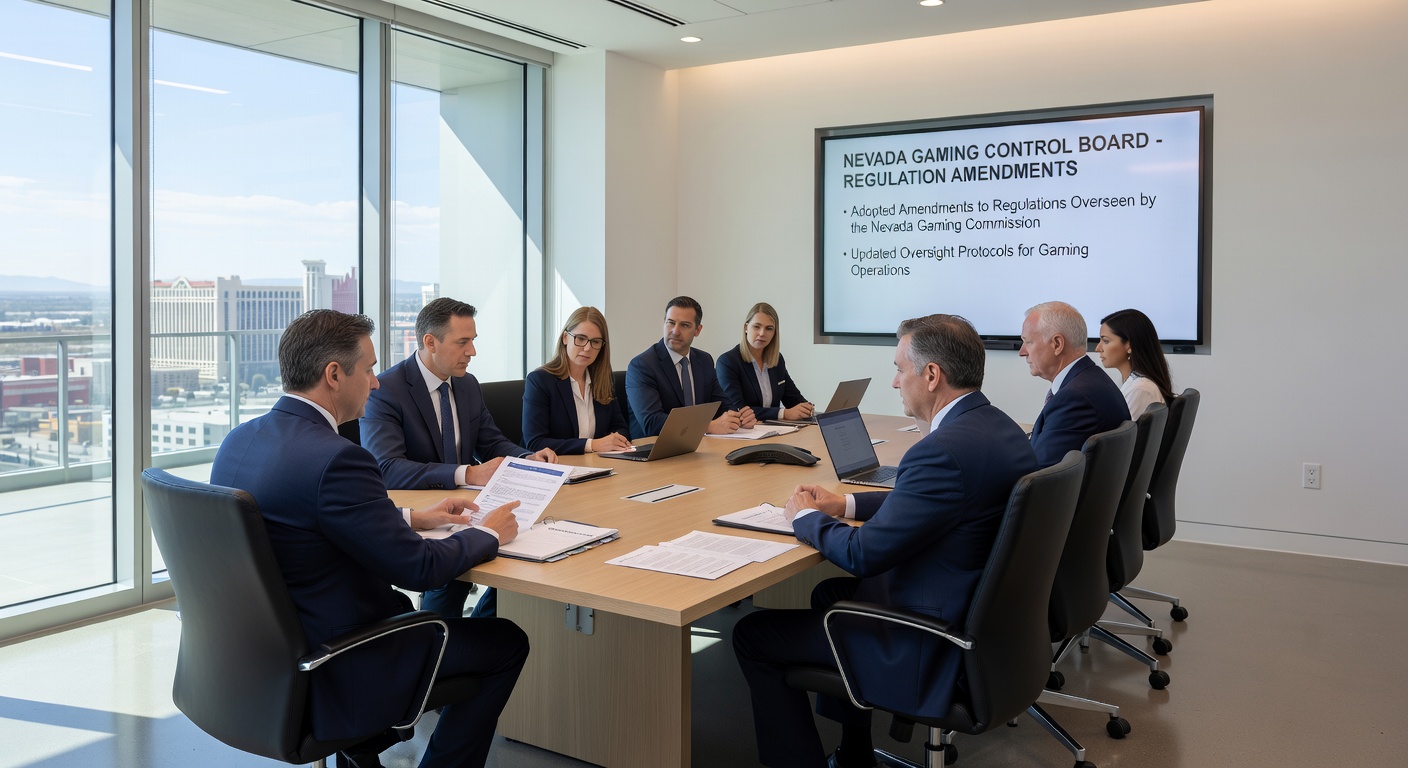
No final approvals from Clark County or the Nevada Gaming Control Board have been confirmed, and construction timelines have not been disclosed by the developer or his representatives. The absence of a published schedule leaves open questions about permitting sequences, environmental reviews, and financing milestones that typically precede groundbreaking on projects of this scale. Observers familiar with recent Strip developments note that even after land acquisition, projects often require 18 to 36 months before vertical construction begins, depending on the complexity of the design and the regulatory path chosen.
Because the site already carries certain entitlements from prior proposals, the new ownership may seek to modify or extend those approvals rather than start the process from scratch. County records show that earlier Ferris wheel plans received initial zoning support, yet the project stalled before any permanent structures beyond foundation work were completed. Applebaum's team has not indicated whether the heart-shaped tower would utilize the same footprint or require entirely new site plan submissions.
Market Context for the Acquisition
Strip land transactions of comparable size have remained infrequent since the pandemic-era slowdown in large-scale builds, and the $70 million price point reflects both the parcel's location and the cost of carrying undeveloped acreage over multiple years. Data compiled by industry tracking services shows that buyers increasingly factor digital integration and experiential architecture into their evaluations, which aligns with the LED-wrapped tower concept now attached to this site. The location across from Mandalay Bay places the future resort within an established cluster of gaming and hospitality assets, potentially allowing it to draw from existing pedestrian flows once operational.
Those monitoring Las Vegas development patterns point out that projects incorporating substantial media facades often require additional coordination with utilities and lighting districts, yet such features can also accelerate marketing and sponsorship opportunities before doors open. The developer has not released cost estimates or projected opening dates, leaving analysts without concrete figures to model against regional revenue forecasts.
Conclusion
The acquisition of the SkyVue site by Eli Applebaum marks the latest attempt to activate a long-dormant parcel on Las Vegas Boulevard, and the heart-shaped LED tower concept introduces a distinctive visual element into the broader conversation about how future resorts might blend architecture with digital media. While the purchase price and room count are now on record, the absence of confirmed approvals or a construction schedule means the project's trajectory will depend on subsequent regulatory steps and financing decisions. Coverage from worldcasinodirectory.com continues to track filings as they become public, providing updates on whether the proposal advances toward groundbreaking in the coming months.