Mapping Connections Between User Feedback Loops and Live Game Integration Strategies Across Global Mobile Platforms
Written by Rafael Simmons · May 16, 2026
Mapping Connections Between User Feedback Loops and Live Game Integration Strategies Across Global Mobile Platforms
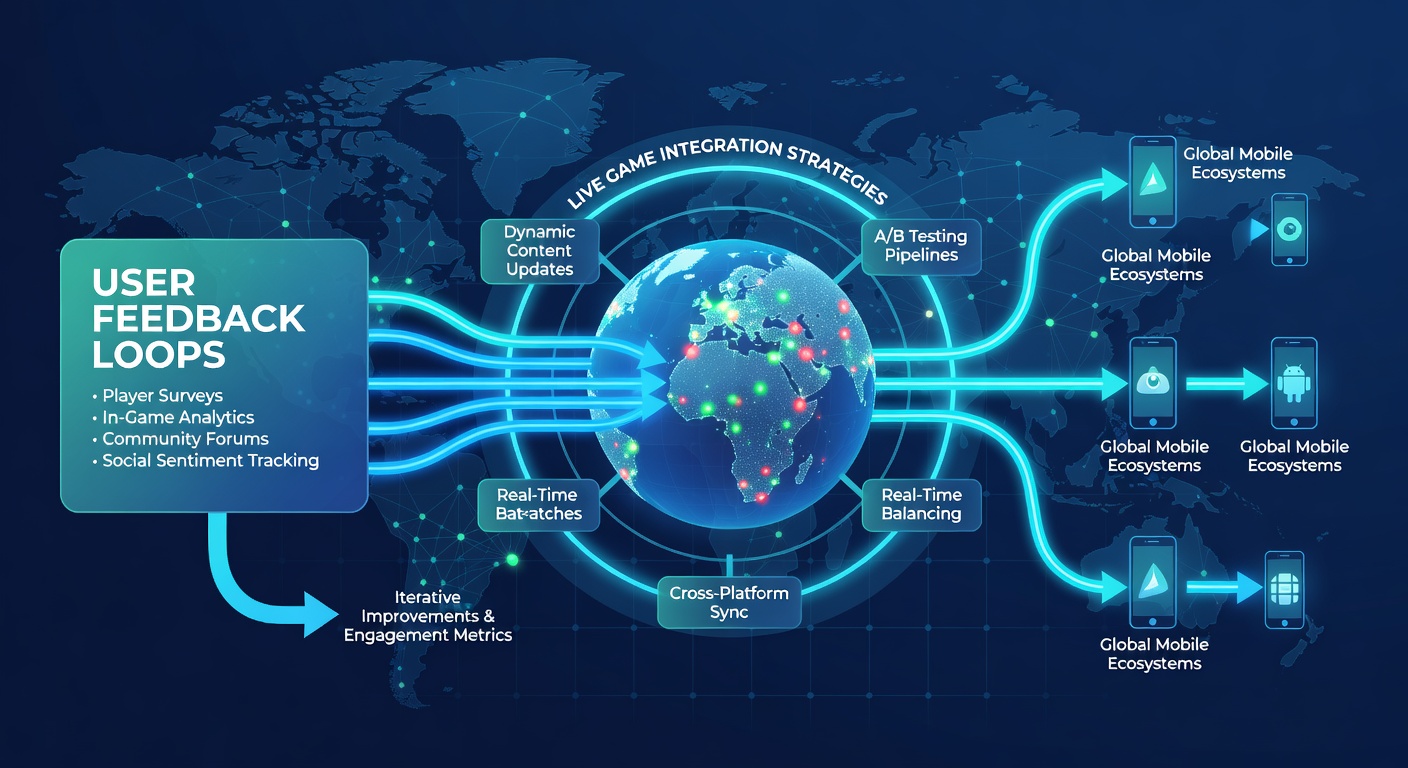
Developers across mobile ecosystems have long tracked how player input shapes the rollout of live features, and the patterns emerging in 2026 reveal tighter links than ever between those feedback systems and integration tactics used on platforms from Asia to the Americas. Data compiled through in-app surveys, session analytics, and community forums feeds directly into decisions about real-time events, seasonal content drops, and cross-device synchronization that keep games running without interruption.
How Feedback Mechanisms Operate in Live Environments
Modern mobile titles collect signals through multiple channels that run continuously rather than at fixed intervals, allowing teams to spot friction points within hours of a new mode launch. Those signals range from simple rating prompts to detailed telemetry on drop-off rates during multiplayer sessions, and developers route the aggregated information into dashboards that flag which elements need immediate adjustment. Researchers at institutions studying digital entertainment have documented cases where rapid iteration based on this input reduced churn by measurable percentages within weeks of deployment.
Platforms such as Android and iOS provide standardized APIs that surface this data while complying with regional privacy rules, yet implementation varies by market because of differing expectations around data handling. In regions with high mobile penetration like Southeast Asia, developers often combine automated collection with moderated community channels to capture cultural nuances that raw numbers miss, whereas North American teams lean more heavily on quantitative thresholds before green-lighting changes.
Integration Tactics Shaped by Continuous Input
Live game integration refers to the seamless addition of new modes, collaborative events, and server-side updates that players experience without downloading full patches. When feedback indicates repeated complaints about latency in group activities, engineering groups prioritize backend optimizations that roll out across global servers within days. This approach has become standard since major studios began publishing monthly transparency reports that link specific player suggestions to implemented features.
What's interesting is how the same input stream informs decisions about hardware-specific adaptations, such as adjusting visual fidelity for older devices while preserving competitive fairness. Observers note that titles maintaining active feedback loops achieve higher retention during these transitions because players see their reported issues addressed in subsequent updates. Figures from industry tracking services reveal that games employing closed beta tests for live features before wide release see faster stabilization of server loads.
Regional Differences Across Major Markets
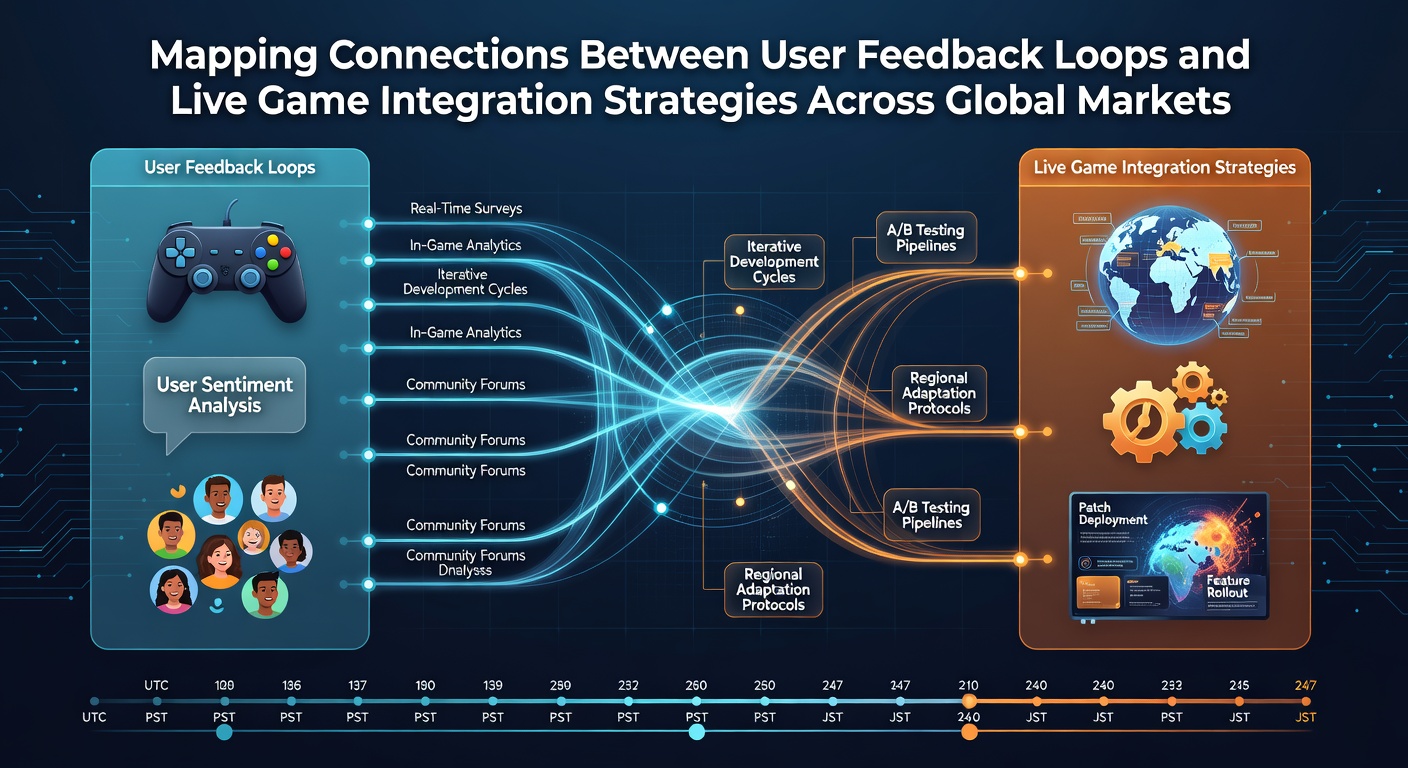
Asia-Pacific developers frequently integrate social features like live chat and shared leaderboards in response to feedback emphasizing community interaction, while European counterparts focus on accessibility options and data portability that align with stricter regulations. Canadian regulatory updates in early 2026 emphasized transparent disclosure of how player data influences live content decisions, prompting several studios to publish clearer methodology statements. Australian market analyses similarly showed increased demand for offline fallback modes when connectivity issues surfaced in remote areas.
Those patterns demonstrate that feedback does not travel in a vacuum; local infrastructure, device ecosystems, and cultural preferences filter which suggestions reach implementation. Studios operating across borders therefore maintain segmented analytics that prevent one region's dominant voice from overriding others, and the result appears in more balanced update schedules that respect time zones and peak usage windows.
Measuring Impact Through Coordinated Data Streams
Studies conducted by academic groups tracking digital interaction have shown that titles closing the loop between feedback and integration within seven days retain higher daily active user counts than those with longer cycles. The connection becomes visible in metrics such as session length and return visits after event launches, where developers who test proposed changes against historical feedback achieve smoother adoption curves. GSMA documentation on mobile network evolution underscores how improved latency in emerging 5G markets further accelerates these cycles by enabling richer live interactions without hardware strain.
Yet the process remains iterative rather than linear, because new features generate fresh data that restarts the analysis. Teams therefore treat feedback as an ongoing resource instead of a one-time checkpoint, and this mindset has led to standardized toolkits shared among smaller studios through industry consortia.
Conclusion
The interplay between user feedback systems and live integration continues to define competitive positioning for mobile titles worldwide, with evidence indicating that tighter connections produce steadier engagement across diverse player bases. As platforms evolve through 2026 and beyond, developers who maintain transparent channels for input while adapting strategies to regional conditions position themselves to sustain growth without sacrificing stability. Data from varied sources, including regulatory filings and network analyses, supports the view that this mapping of connections will only grow more precise as tools for collection and deployment advance in tandem.