Mapping Regulatory Influences on Reward Customization Across Multi-Platform Casino Networks
Written by Yara Lange · Aug 8, 2026
Mapping Regulatory Influences on Reward Customization Across Multi-Platform Casino Networks
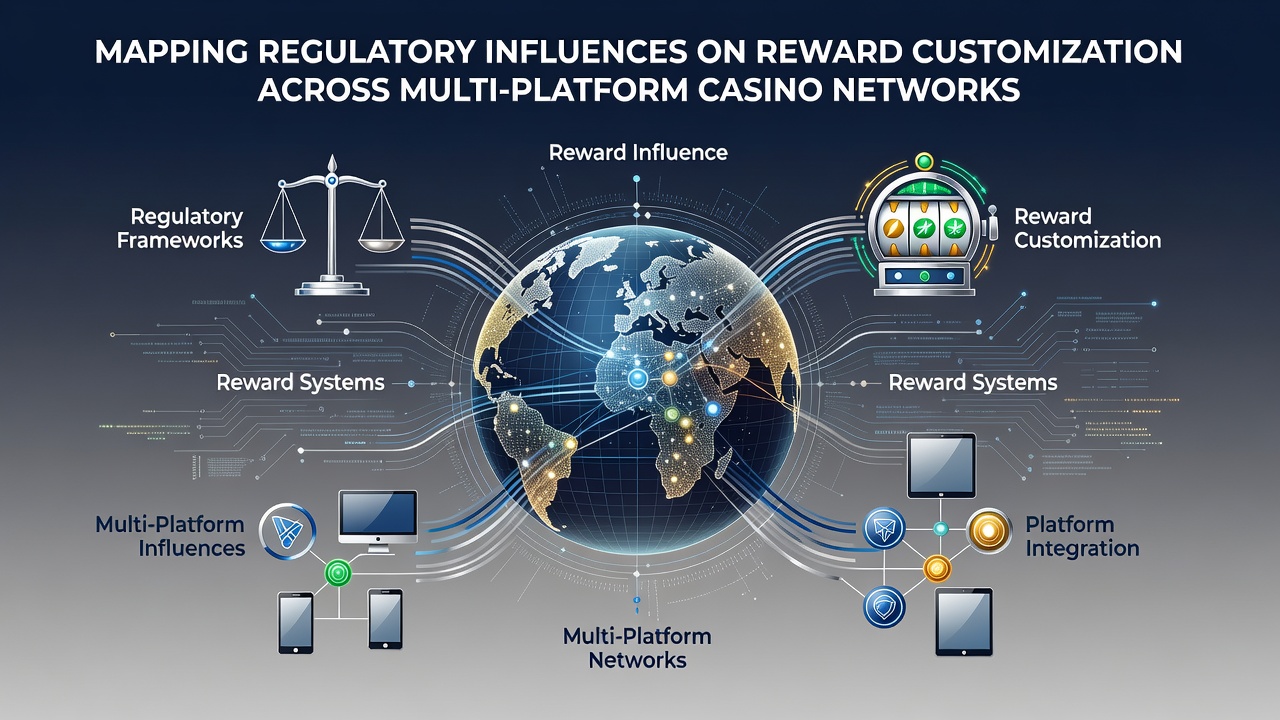
Regulatory bodies across multiple jurisdictions continue to shape how casino operators customize rewards on interconnected platforms, and this process involves layers of compliance that affect bonus structures, player segmentation, and cross-device access. In August 2026 operators track updates from state and provincial agencies while adjusting reward mechanics to meet varying requirements on data handling, eligibility verification, and promotional limits.
Regulatory Frameworks in Major Markets
North American regulators enforce distinct rules that determine reward eligibility and customization depth, whereas European and Australian frameworks emphasize consumer protection metrics that influence how operators segment offers across mobile apps and web interfaces. Data from the New Jersey Division of Gaming Enforcement shows operators must maintain separate audit trails for rewards delivered on smartphones versus desktop clients, which forces platforms to recalibrate personalization algorithms when players switch devices mid-session.
Canadian provinces apply similar but not identical standards, and the Alcohol and Gaming Commission of Ontario publishes quarterly compliance summaries that detail how reward customization must align with verified player profiles. Observers note that these summaries often highlight discrepancies between app-based and browser-based reward delivery, prompting operators to revise their segmentation logic accordingly.
Platform-Specific Adjustments and Data Protocols
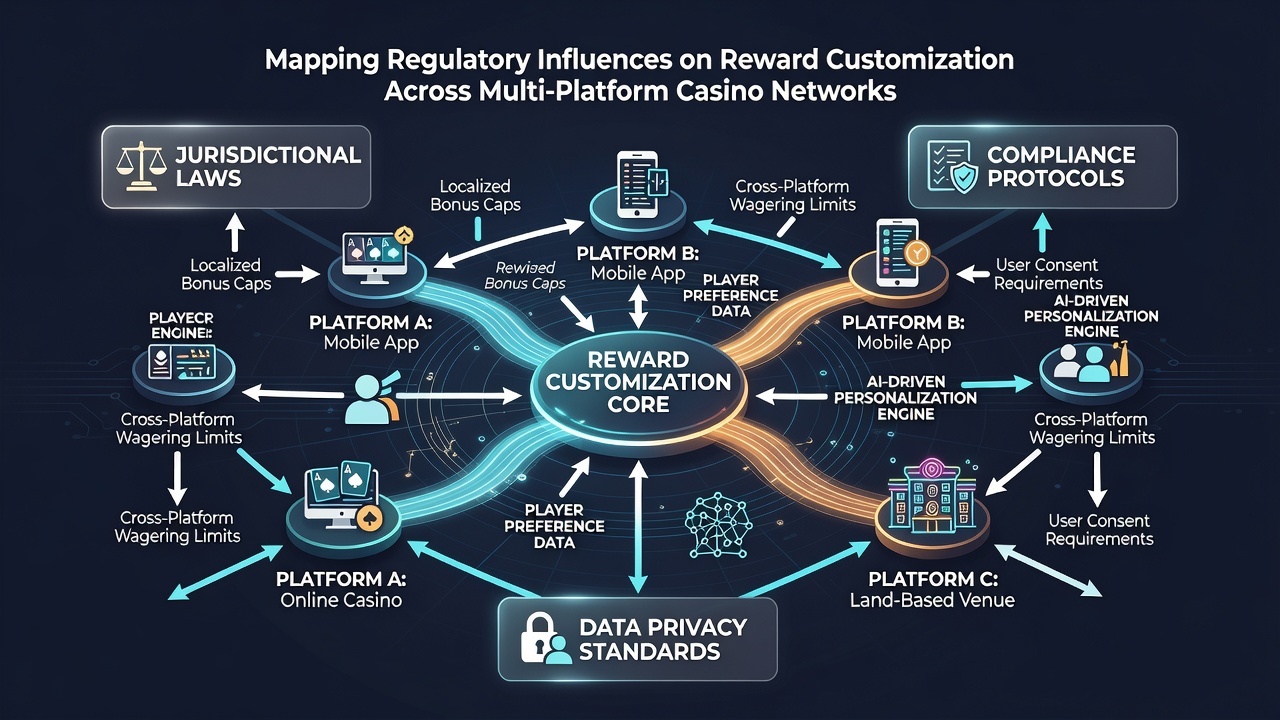
Multi-platform networks require operators to map regulatory constraints onto shared backend systems, yet each device channel carries unique technical obligations. Mobile platforms face stricter geolocation mandates in several U.S. states, which in turn limits the types of location-triggered rewards that can appear in real time, while desktop environments allow broader customization windows because session data remains stationary.
Research from the University of Nevada Reno gaming analytics group indicates that operators who synchronize reward rules across platforms reduce compliance incidents by 18 percent compared with those maintaining separate rule sets. The study examined session logs from 2025 and early 2026, revealing that unified rule engines handle cross-border data transfers more efficiently when regulations differ between neighboring jurisdictions.
Case Examples from Integrated Networks
One operator group operating across three states adjusted its progressive reward tiers after Michigan regulators issued updated guidance on free-play conversion rates. The change required the company to cap certain mobile-only bonuses while preserving desktop equivalents, and the adjustment took effect in late July 2026. Similar recalibrations occurred in Australia where state-level rules on promotional spend thresholds forced operators to redesign loyalty point accrual rates for tablet users versus smartphone users.
Industry reports compiled by the Canadian Gaming Association document how operators now embed regulatory tags directly into reward code, allowing automated flagging when a player crosses jurisdictional boundaries. This tagging system updates in real time and prevents offers from activating outside permitted zones, which reduces manual review cycles.
Emerging Patterns in August 2026
Figures released in August 2026 by several state gaming commissions reveal a steady increase in the number of operators adopting centralized compliance dashboards. These dashboards aggregate regulatory inputs from multiple sources and feed them into reward engines that operate across mobile, tablet, and desktop environments. The dashboards track variables such as maximum bonus value, wagering multipliers, and eligibility windows, then apply jurisdiction-specific overrides without requiring separate code branches for each platform.
Analysts tracking these deployments observe that operators using modular rule sets respond faster to new directives, whereas legacy systems require extended testing periods before changes reach production. The pattern holds across both regulated U.S. markets and Canadian provinces that opened iGaming channels in recent years.
Conclusion
Regulatory mapping continues to determine the boundaries within which reward customization operates across multi-platform casino networks. Operators integrate inputs from diverse agencies into unified systems that respect device-specific and jurisdiction-specific constraints, and ongoing data collection in August 2026 shows measurable effects on how rewards reach players regardless of access point. Continued coordination between regulators and operators shapes the technical architecture that supports compliant reward delivery at scale.