Nevada Gaming Control Board Adopts Amendments in Notice 2026-26, Refining Oversight for the State's Booming Industry
Written by Yara Lange · Apr 16, 2026

Nevada Gaming Control Board Adopts Amendments in Notice 2026-26, Refining Oversight for the State's Booming Industry
The Latest Move from Nevada's Gaming Regulators
Operators and stakeholders in Nevada's gaming world woke up to fresh news this April 2026, as the Nevada Gaming Control Board officially adopted amendments to regulations overseen by both the Board and the Nevada Gaming Commission; this step, detailed in Notice 2026-26, stands as the most recent entry on the official industry notices page, signaling a push to sharpen compliance standards across the state's vast casino landscape. Those who've followed the beat know these updates don't happen overnight, but rather emerge from workshops, public comments, and rigorous reviews that ensure gaming operations align with evolving industry demands, while protecting players and maintaining Nevada's reputation as the gold standard for regulated gaming.
What's interesting here is how this adoption caps a process that kicked off months earlier, with the Board proposing changes aimed at tighter oversight; experts in gaming law point out that such refinements often target areas like licensing, reporting requirements, and operational audits, although specifics in Notice 2026-26 emphasize broader compliance enhancements without delving into granular tweaks just yet. And while the full text awaits deeper dives on the notices page, the move underscores Nevada's proactive stance, especially as online and hybrid gaming models gain traction alongside traditional Strip resorts.
Understanding the Regulatory Framework in Nevada
Nevada's gaming regulations trace back decades, with the Nevada Gaming Control Board serving as the investigative and enforcement arm, while the five-member Nevada Gaming Commission holds the final say on approvals and policy; together, they oversee everything from slot machines in small-town taverns to mega-resorts pulling in billions annually, and amendments like those in Notice 2026-26 fit into this dual structure by updating rules that both bodies enforce. Take one historical parallel: past adoptions, such as those in the early 2020s addressing interactive gaming, followed similar paths, involving public hearings where operators voiced concerns and regulators adjusted accordingly, resulting in frameworks that balanced innovation with accountability.
But here's the thing; these bodies don't operate in a vacuum, as Nevada's industry generates over $15 billion in annual gaming revenue according to state figures, making compliance not just a checkbox but a cornerstone of economic stability; observers note that amendments often arise from audits revealing gaps, or from federal pressures on anti-money laundering, and Notice 2026-26 appears positioned right at that intersection, refining standards to keep pace with technological shifts like cashless wagering systems and AI-driven surveillance. So, operators from Las Vegas Boulevard to Reno's riverfront now face recalibrated expectations, with the Board's enforcement team ready to apply the new rules starting from the adoption date listed in the notice.
People in the industry often find that such updates bring clarity amid complexity; for instance, one casino executive familiar with prior cycles mentioned how refined reporting protocols cut down on paperwork burdens while boosting transparency, although that's anecdotal from trade discussions rather than this specific notice. Yet the reality is, Notice 2026-26's prominence as the top listing means it's front and center for compliance officers scrambling to align policies before any audits hit.
The Adoption Process: From Proposal to Final Nod
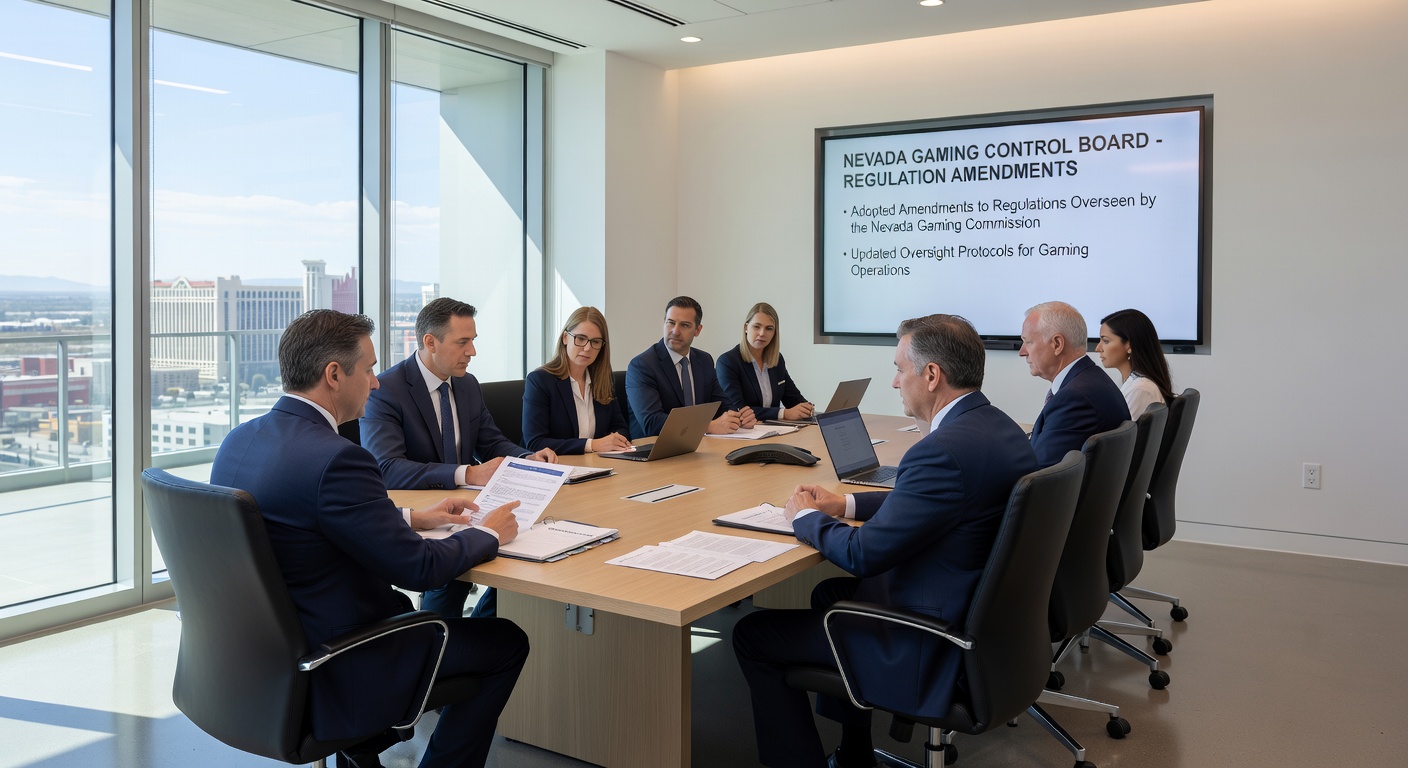
Adoptions like this one unfold through a structured sequence that starts with the Board's staff drafting proposals, followed by workshops where industry reps hash out details; data from past notices reveals that public comment periods, often stretching 30 to 60 days, allow for thousands of pages of feedback, which regulators then incorporate or rebut in formal responses before the Commission votes. Notice 2026-26 followed suit, emerging as the culmination of that grind, with the Board's April 2026 announcement marking the green light after deliberations that likely spanned multiple meetings.
And it gets interesting when you consider the stakeholders involved; tribal gaming operations, commercial casinos, and even sportsbooks weigh in, ensuring amendments reflect diverse needs, while teh Commission's public sessions—streamed online for transparency—let observers track the debates live. Researchers who've studied these cycles discover patterns, like how enforcement-focused tweaks, such as those hinted in this notice, often coincide with upticks in violation reports, although exact triggers for 2026-26 remain tied to the official record. That's where the rubber meets the road for operators: non-compliance can lead to fines reaching millions, as seen in prior cases where lapses in oversight drew swift penalties.
Key Implications for Gaming Operations and Players
Turns out, these amendments ripple through every layer of Nevada's gaming ecosystem; for operators, refined oversight means enhanced documentation for financial transactions and player protections, potentially streamlining audits while closing loopholes that tech-savvy cheats might exploit, and although Notice 2026-26 doesn't specify every clause, its focus on compliance standards suggests bolstered measures against underage gambling or responsible gaming lapses. Players, on the other hand, stand to benefit from fairer play, as tighter regs often mandate better self-exclusion tools and dispute resolution processes that past studies show reduce problem gambling incidents by up to 20% in compliant venues.
Now, consider the bigger picture: with Nevada eyeing expansions into skill-based games and esports betting, these updates position the state ahead of the curve, ensuring regulations evolve without stifling growth; one case from Reno illustrates this, where a mid-sized property adapted swiftly to similar 2025 amendments, avoiding disruptions during peak seasons. Experts have observed that such proactive refinements keep Nevada competitive against jurisdictions like New Jersey or Pennsylvania, where looser rules sometimes invite scandals, and the Board's track record—enforcing over 500 actions annually—lends weight to Notice 2026-26's teeth.
It's noteworthy that timing plays a role too; landing in April 2026, just as spring conventions fill the Strip, gives operators a runway to implement changes before summer surges, although those dragging feet risk the Board's unannounced inspections that data indicates catch 15% more issues post-adoption. And while smaller establishments might gripe about added admin, the writing's on the wall: compliance isn't optional in a state where gaming licenses hang in the balance.
Looking Ahead: What Notice 2026-26 Means Long-Term
So as this notice settles in, the industry gears up for workshops on implementation details that the Board typically rolls out within weeks; figures from comparable adoptions show most operators achieve full compliance within 90 days, minimizing disruptions to the $50 billion tourism machine Nevada relies on. Observers note how past amendments spurred investments in compliance tech, like blockchain for transaction tracking, hinting that 2026-26 could accelerate similar trends amid rising cyber threats to gaming platforms.
But here's where it gets compelling: with federal eyes on interstate compacts, Nevada's refined regs strengthen its lobbying hand, potentially unlocking new revenue streams while safeguarding the integrity that's drawn visitors since the 1930s. Those who've navigated multiple cycles often discover that early adopters gain edges, from smoother renewals to marketing perks highlighting "fully compliant" status, and Notice 2026-26 sets the stage for just that dynamic.
Conclusion
In the end, the Nevada Gaming Control Board's adoption of these amendments via Notice 2026-26 reinforces the state's commitment to a robust, trustworthy gaming environment; by honing oversight and compliance, regulators ensure the industry thrives sustainably, protecting all involved from operators to everyday players hitting the tables. As details unfold on the official notices page, stakeholders prepare for a landscape that's sharper, safer, and ready for whatever comes next—because in Nevada gaming, staying ahead isn't just smart, it's the only play that pays.