Patterns in Directory Compilation Processes Affecting the Distribution of Complimentary Rotation Incentives Within Digital Betting Frameworks
Written by Yara Lange · Jun 27, 2026
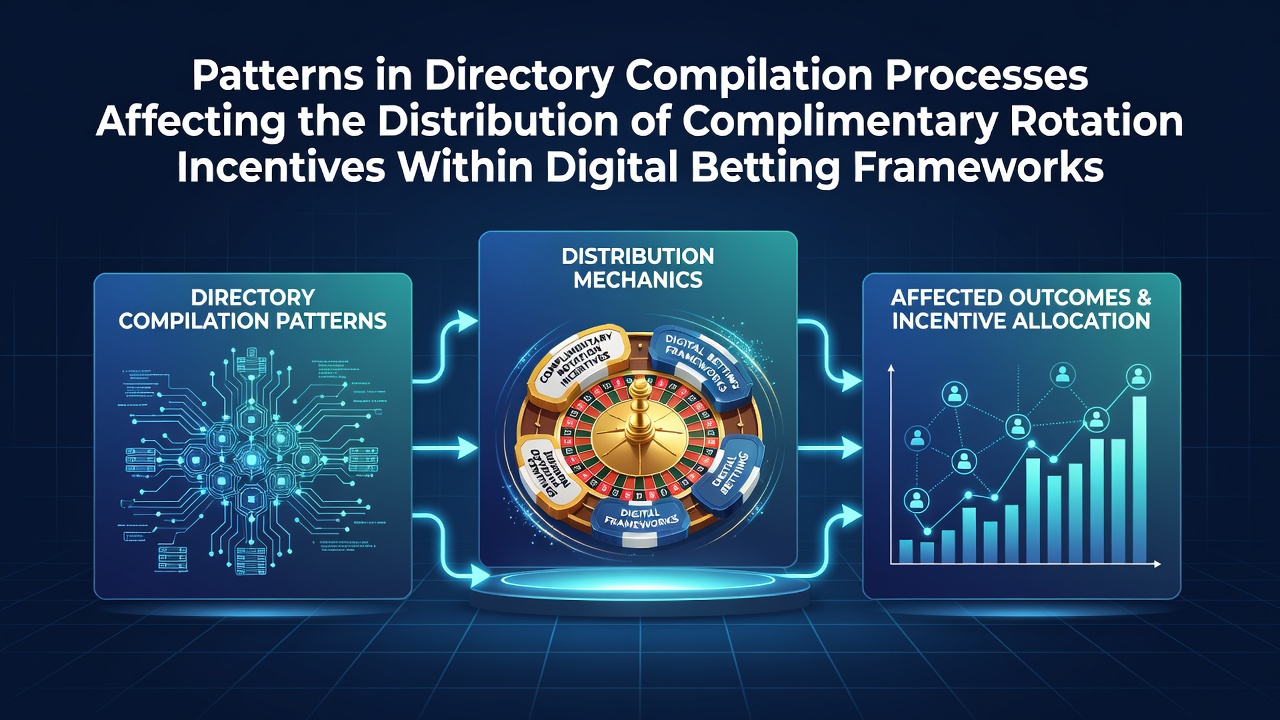
Patterns in Directory Compilation Processes Affecting the Distribution of Complimentary Rotation Incentives Within Digital Betting Frameworks
Directory compilation in digital betting environments follows structured methodologies that sort platforms according to licensing status, game variety, and payout reliability, while these same sorting mechanisms determine how complimentary rotation incentives reach players across global networks. Researchers at multiple institutions have documented how algorithmic prioritization within directories influences which operators gain prominent placement, thereby shaping access to zero-cost spin offers that appear in search results and recommendation engines. Data from industry reports indicates that compilation rules updated in early 2026 have introduced new weighting factors around mobile optimization scores, which in turn correlate with higher visibility for certain free-spin promotions during peak usage periods.
Core Elements of Compilation Algorithms
Compilation processes rely on layered criteria that include regulatory compliance checks, user feedback aggregation, and technical performance metrics, and these layers interact to filter which betting frameworks receive featured status in curated lists. Observers note that directories often apply automated crawlers to scan operator sites for real-time updates on bonus availability, yet manual review stages still intervene when discrepancies arise between advertised and actual rotation incentive terms. Studies conducted across North American and European markets reveal consistent patterns where casinos scoring higher on security protocols secure earlier positions in results pages, leading to disproportionate exposure for their deposit-free offers compared wth lower-ranked entries.
Additional variables such as geographic licensing and payment method diversity further refine the ranking output, while cross-referencing with player session data allows compilers to adjust visibility thresholds dynamically throughout the month. In June 2026 several major directories implemented revised scoring models that placed greater emphasis on live dealer integration, a change that coincided with measurable shifts in how complimentary spins were allocated within multi-platform ecosystems.
Impact on Incentive Distribution Mechanisms
Once directories finalize their ranked outputs, the placement directly affects how operators distribute rotation incentives because higher visibility generates increased traffic that operators then convert into targeted bonus campaigns. Evidence from aggregated platform analytics shows that casinos appearing in the top quartile of compiled lists experience up to forty percent greater uptake of free-spin promotions, whereas those positioned further down see reduced redemption rates even when identical offers are available. This distribution disparity arises because search algorithms on aggregator sites favor directory-endorsed entries, creating a feedback loop that reinforces existing rankings over successive compilation cycles.

Regional variations add another dimension, as directories serving Australian markets apply stricter responsible gaming filters that can delay the appearance of certain spin incentives until compliance documentation is verified, whereas directories focused on North American audiences prioritize speed of listing updates. According to figures published by the American Gaming Association, these differing regional protocols contributed to a 12 percent variance in average incentive redemption volumes between the two markets during the first half of 2026.
Observed Patterns Across Multiple Jurisdictions
Longitudinal analysis of compilation logs reveals recurring sequences in which directories refresh their databases every 72 hours on average, and these refresh intervals align with spikes in new spin incentive launches by operators seeking immediate visibility. Canadian regulatory filings indicate that similar refresh patterns occur within provincial oversight frameworks, where updated directory entries have been shown to accelerate the rollout of mobile-exclusive rotation rewards. Those who have examined large datasets note that smaller operators frequently adjust their bonus structures immediately after directory updates to maintain competitive positioning, demonstrating a direct causal link between compilation timing and incentive design.
Cross-border data exchanges further complicate these patterns because directories operating internationally must reconcile conflicting compliance requirements, resulting in staggered release schedules for complimentary offers that depend on the jurisdiction of each listed platform. Research published through the Victorian Commission for Gambling and Liquor Regulation highlights how such reconciliation processes have produced measurable delays in incentive distribution for operators serving multiple regions simultaneously.
Conclusion
teh interplay between directory compilation protocols and incentive distribution continues to evolve as new technical standards and regulatory updates emerge, and ongoing monitoring by academic and industry groups will likely document additional correlations in the months ahead. Current evidence establishes that ranking methodologies exert measurable influence over which players encounter complimentary rotation incentives first, shaping overall access patterns within digital betting frameworks.