Shifts in cross-border data protocols reshaping reward customization across multi-device gambling ecosystems
Written by Theo Simon · Jun 18, 2026
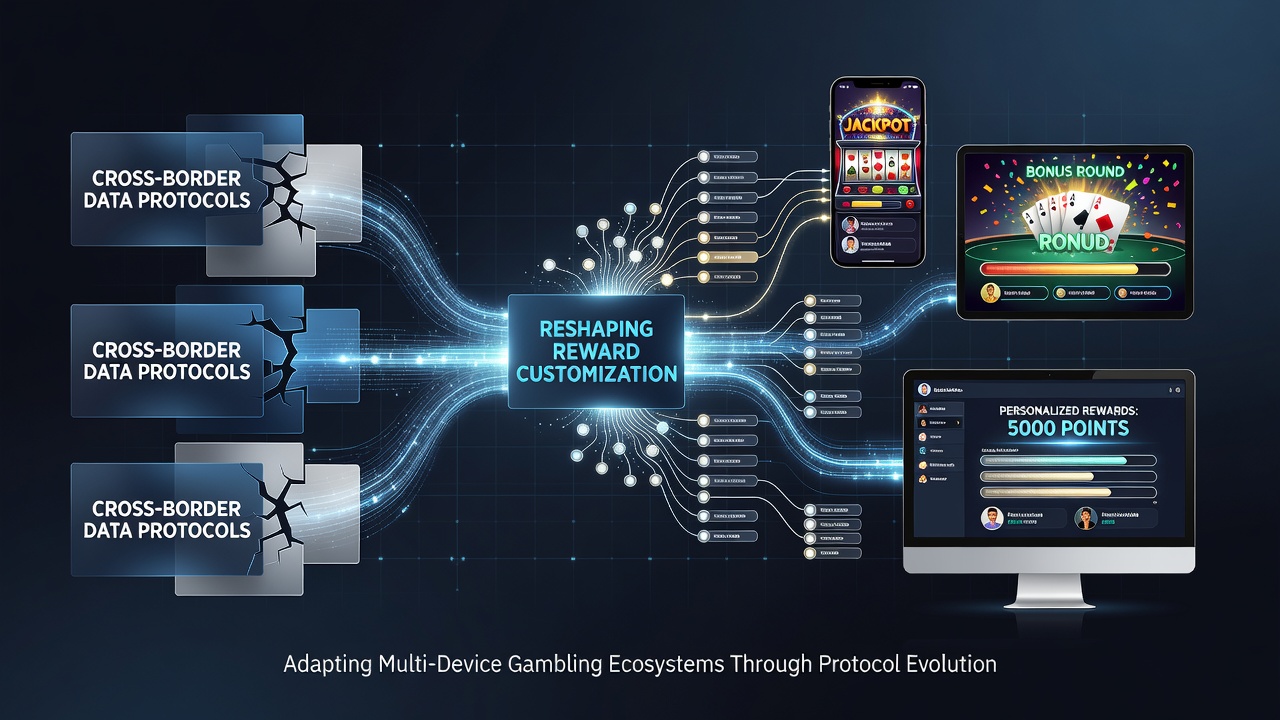
Shifts in cross-border data protocols reshaping reward customization across multi-device gambling ecosystems
Cross-border data protocols have undergone measurable updates in recent years that directly influence how operators tailor rewards within gambling platforms spanning smartphones, tablets, and desktop systems. These changes stem from evolving privacy frameworks that require stricter consent mechanisms and data localization rules before any personalization occurs. Observers note that such requirements force platforms to segment user data more carefully across jurisdictions, which in turn alters the timing and type of bonuses delivered to individual accounts.
Regulatory updates driving protocol adjustments
European data protection authorities implemented revised transfer mechanisms in early 2026 that mandate explicit user approval for moving behavioral data between regions, while Australian communications regulators introduced parallel guidelines emphasizing localized storage for engagement metrics. These rules connect through shared standards on anonymization that allow operators to maintain reward customization without violating transfer restrictions. Data shows that platforms adopting these standards early reduced mismatches between user preferences and delivered incentives by measurable percentages in multi-device environments. Researchers tracking these developments point to coordinated efforts among oversight bodies in Canada and Singapore that further standardize how session data feeds into bonus algorithms.
Platforms respond by building modular data pipelines that isolate identifiers by region yet still permit aggregated insights for reward scaling. This setup means a player switching from a mobile app in one country to a desktop session in another encounters rewards calibrated to the strictest applicable protocol at that moment. Those who've examined implementation reports indicate that such pipelines now incorporate real-time compliance checks that pause customization until all regional conditions clear.
Effects on reward structures in connected ecosystems
Reward customization now relies on consent layers that activate only after cross-border verification completes, which delays or modifies offers like deposit matches and free spin allocations across linked devices. Operators integrate these layers into unified player profiles so that activity on a tablet in one jurisdiction informs desktop bonuses elsewhere only when protocols align. Evidence from industry tracking reveals increased use of device-specific triggers that respect data boundaries while preserving continuity for users who move between access points. What's interesting is how these triggers draw from anonymized pattern libraries rather than raw identifiers, allowing systems to maintain personalization depth without breaching transfer limits.
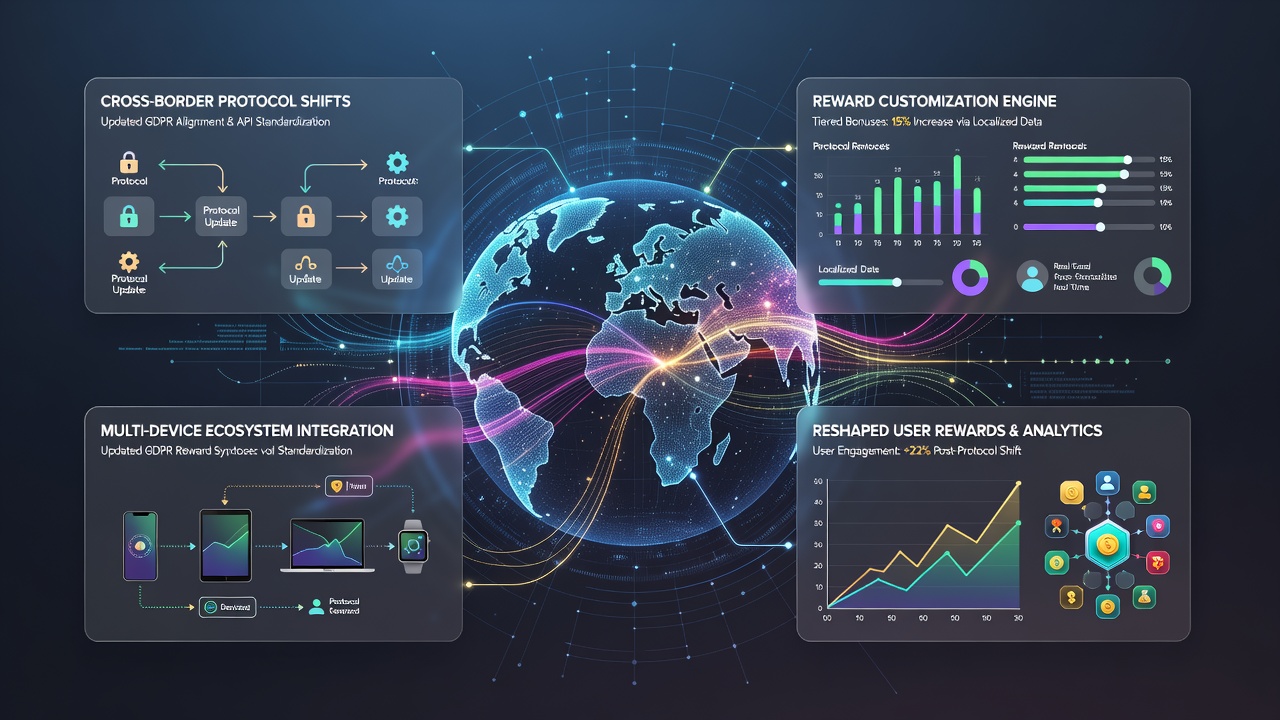
One case examined by analysts involved a network that adjusted its loyalty point system to reference only intra-region data clusters until international clearance occurred, resulting in more consistent bonus delivery timelines. Such adjustments connect directly to the broader requirement that any reward algorithm must log compliance events alongside each customization decision. Platforms operating across multiple continents therefore maintain separate reward engines that merge outputs only after protocol reconciliation finishes.
June 2026 developments and platform adaptations
By June 2026 several major operators completed phased rollouts of updated consent dashboards that span mobile and desktop interfaces, enabling users to manage data sharing preferences in one location that propagates across their device set. These dashboards incorporate visual indicators showing which regional rules currently govern active reward offers. Figures from compliance audits released that month demonstrate higher rates of successful data transfers when operators pre-map their ecosystems against the latest protocol lists from bodies such as the European Data Protection Board and the Australian Communications and Media Authority. The changes also prompted refinements in how progressive reward ladders calculate eligibility, since session data from cross-border play now requires segmented processing before aggregation.
Operators further adapted by introducing fallback reward sets that activate automatically when full data exchange remains restricted, ensuring users still receive relevant incentives even during transition periods. Research indicates these fallback mechanisms draw from broader demographic patterns rather than individual histories until clearance restores full access. Those monitoring the rollout observe that desktop sessions often serve as the primary compliance checkpoint because larger screen interfaces accommodate detailed consent flows more readily than mobile apps.
Integration challenges across device networks
Multi-device gambling ecosystems face ongoing reconciliation tasks when protocols update at different speeds in separate markets, leading operators to deploy synchronization layers that flag inconsistencies before rewards generate. These layers connect mobile telemetry with desktop logs through encrypted channels that strip location-specific tags until verification passes. Data from platform performance metrics released in mid-2026 shows reduced error rates in reward delivery after these layers became standard, particularly for users who alternate between handheld and stationary access points. Academic examinations of similar systems highlight the role of timestamped audit trails that document every protocol check tied to a customized offer.
Platforms also experiment with edge computing nodes positioned within key regions to handle initial data processing locally before any cross-border movement occurs. This approach supports faster reward customization while satisfying localization mandates that emerged from recent protocol shifts. Observers tracking adoption rates note that early implementers achieved smoother transitions for players engaged in simultaneous sessions across devices.
Conclusion
Cross-border data protocol shifts continue to redefine reward customization pathways in multi-device gambling setups by enforcing segmented processing and explicit consent at each transfer point. Operators maintain functionality through modular pipelines, region-specific engines, and compliance dashboards that adapt to evolving requirements. June 2026 marked concrete progress in dashboard deployments and audit reporting that further stabilized these systems. The ongoing adjustments reflect coordinated regulatory efforts across multiple jurisdictions that prioritize data boundaries while supporting personalized incentive delivery where protocols permit.