Tennessee Governor Signs Legislation Prohibiting Sweepstakes Casinos Across the State
Written by Rafael Simmons · May 23, 2026

Tennessee Governor Signs Legislation Prohibiting Sweepstakes Casinos Across the State
Tennessee Governor Bill Lee has signed legislation that bans sweepstakes casinos and this measure takes effect as state law to prohibit such operations entirely within state borders, according to reports from industry observers tracking regulatory changes. The new rules specifically target venues and online platforms that rely on sweepstakes-style promotions to deliver casino-style games including slots and table games without traditional licensing. This development comes after extended periods of regulatory examination into these business models and their compliance with existing gaming statutes.
Details of the Signed Legislation
The bill establishes clear prohibitions on sweepstakes mechanisms that function as disguised casino offerings and operators must cease all such activities once the law becomes active. Lawmakers designed the language to close loopholes that previously allowed these promotions to operate in a regulatory gray area and enforcement mechanisms include penalties for violations along with requirements for businesses to restructure or shut down affected segments. State officials have outlined that the focus remains on protecting consumers while aligning Tennessee gaming policy with stricter standards already in place elsewhere.
Those involved in drafting the measure noted that sweepstakes casinos often advertise free entries or token systems that lead directly to real-money play and this structure prompted the legislative response. The statute defines prohibited activities in detail so regulators can identify and address non-compliant sites without ambiguity and businesses receive guidance on transitioning away from these formats.
Background on Sweepstakes Casino Operations
Sweepstakes casinos emerged as alternative gaming venues that use promotional models based on chance-based entries rather than direct wagers and these setups gained popularity in states where full casino licensing remained restricted. Participants purchase merchandise or access points that double as entries into games mimicking traditional casino experiences and operators argued the model avoided classification as gambling under older definitions. Regulatory bodies in multiple jurisdictions began reviewing these claims as player volumes increased and complaints about fairness along with financial transparency surfaced in public records.
In Tennessee the approach allowed several physical and digital locations to function until the recent signing and industry data indicates dozens of such venues operated across the state prior to this change. Observers note the model combined elements of skill-based promotions with randomized outcomes and this hybrid nature created enforcement challenges for existing laws. The legislation addresses these issues by reclassifying the activities as prohibited forms of gaming regardless of the promotional wrapper.
Regulatory Scrutiny Leading to the Ban
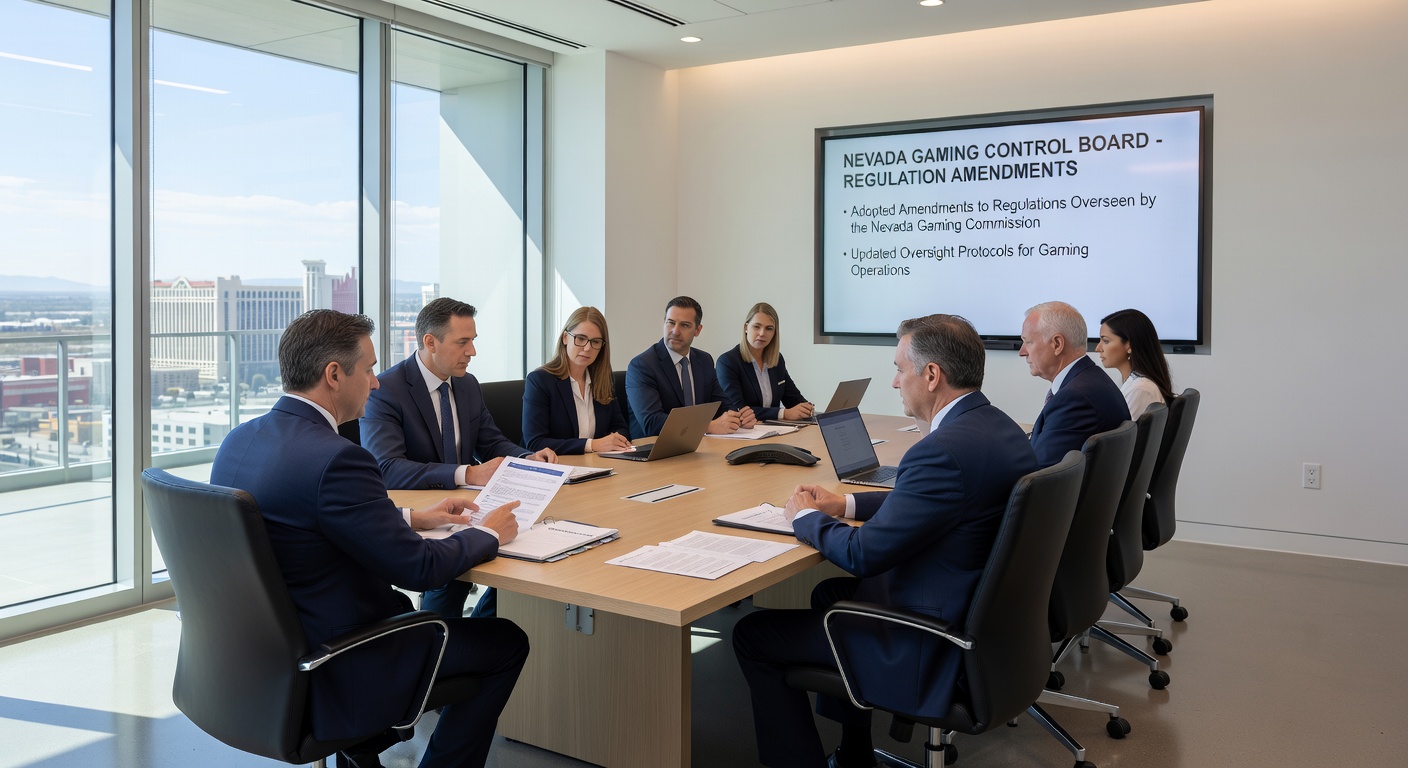
State regulators had conducted multiple reviews of sweepstakes operations over recent years and these examinations revealed inconsistencies between advertised promotions and actual gameplay mechanics. Reports compiled by oversight agencies documented patterns of player spending that resembled conventional casino activity yet operated without required permits or revenue reporting. The findings contributed directly to legislative action and policymakers incorporated feedback from enforcement teams when finalizing the bill language.
According to SBC Americas coverage the scrutiny intensified as complaints accumulated regarding prize distribution and account management practices at affected locations. Tennessee authorities coordinated with legal experts to ensure the resulting statute withstands potential challenges while providing clear pathways for compliant businesses to adapt. The process included public hearings where stakeholders presented operational details and these sessions informed adjustments to penalty structures and compliance timelines.
Implementation Timeline and Business Impacts
Once signed the legislation moves through standard state processes before full enforcement begins and operators receive notice periods to wind down prohibited offerings. Affected companies must notify customers of service changes and many have started redirecting traffic toward licensed alternatives in neighboring states or fully licensed online platforms. State revenue projections do not factor sweepstakes activity into official tallies and this separation allows officials to maintain focus on established gaming sectors.
Businesses operating under the sweepstakes model now face decisions about relocation or complete closure and industry analysts track filings related to asset transfers or license applications in other jurisdictions. The statute includes provisions for ongoing monitoring to prevent reemergence under new branding and this element reflects lessons drawn from similar regulatory shifts in additional states. Enforcement teams prepare training materials to identify evolving evasion tactics and coordinate with technology providers to flag non-compliant sites.
Conclusion
The signing marks a definitive policy shift for Tennessee gaming oversight and sets parameters that eliminate sweepstakes-style operations while preserving other regulated activities. State records show the measure builds on prior examinations and delivers enforceable standards that align with broader national trends in gaming regulation. Operators and consumers alike receive clear directives as the law proceeds toward activation and future compliance reports will document how the transition unfolds across affected sectors.