Tracing User Interaction Sequences That Unlock Deposit-Free Live Dealer Sessions on Cross-Device Gambling Applications
Written by Theo Simon · Aug 24, 2026
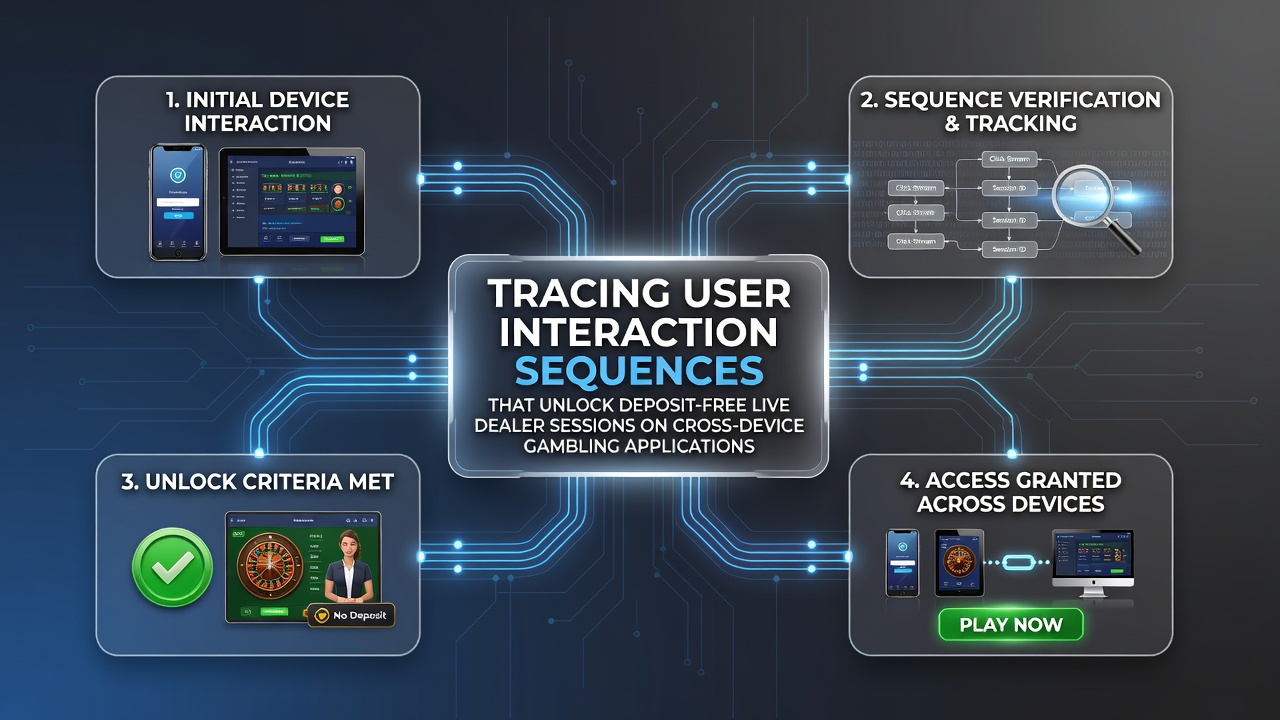
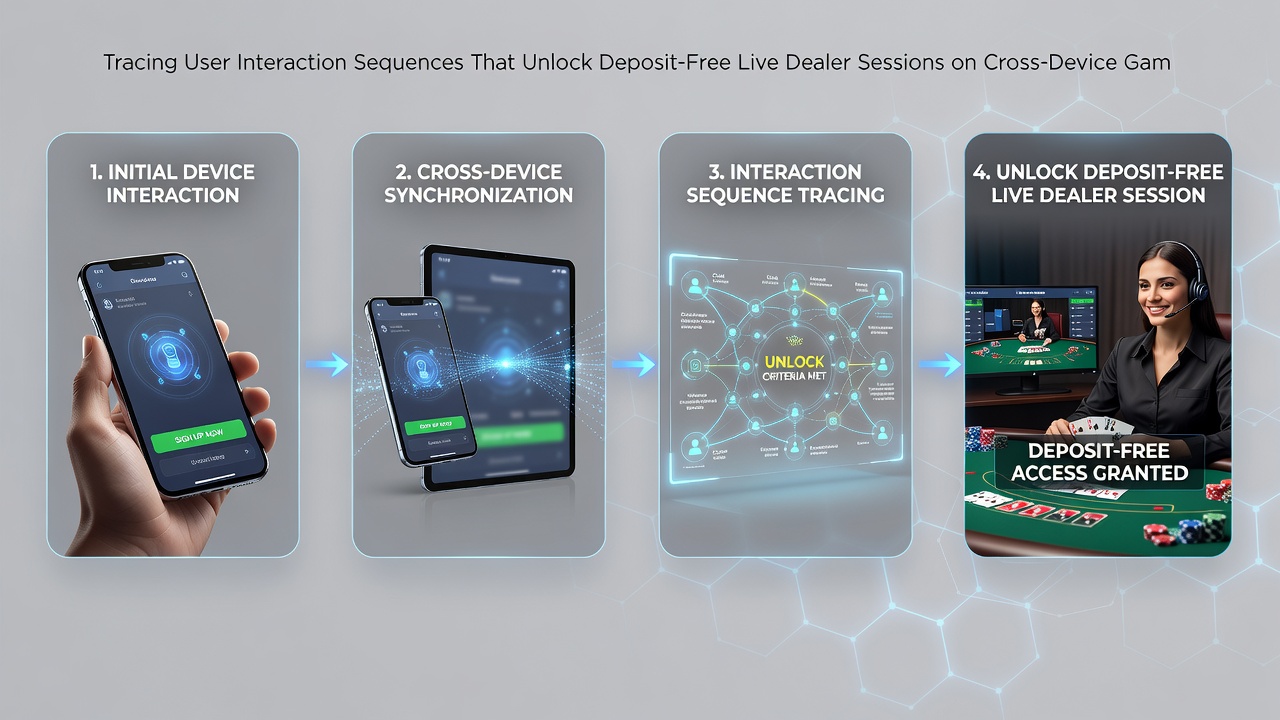
Tracing User Interaction Sequences That Unlock Deposit-Free Live Dealer Sessions on Cross-Device Gambling Applications
Developers and analysts track specific sequences of taps swipes and timed engagements that grant access to deposit-free live dealer sessions on gambling applications designed for multiple devices, and these patterns emerge consistently across platforms according to aggregated usage data collected through 2026. Researchers at institutions studying digital interfaces note that sequences often begin with repeated navigation through lobby menus followed by sustained viewing of game previews which then trigger eligibility checks for zero-cost live dealer entry.
Core Elements of Interaction Sequences
Sequences typically combine short bursts of activity with longer dwell times on certain screens while the system monitors device type and session continuity to confirm cross-device eligibility, and experts observe that a common path involves selecting a live dealer icon then cycling through three or four table options before the unlock prompt appears. Data from platform analytics indicates these steps must occur within defined time windows to register as valid, whereas random or incomplete actions fail to activate the reward layer. Observers note that mobile users frequently combine portrait-to-landscape rotations with rapid double-taps on dealer avatars whereas tablet interactions emphasize drag-and-drop chip placements that carry over from prior sessions on linked accounts.
Cross-Device Synchronization Factors
Applications maintain session states across smartphones tablets and desktops by logging unique device fingerprints alongside interaction timestamps, which allows the same sequence to resume without restart when users switch hardware mid-engagement. In August 2026 several major operators updated their synchronization protocols to reduce latency during these transfers, and reports show that seamless handoffs now occur in under two seconds for verified accounts. This matters because interrupted sequences previously reset progress and blocked deposit-free access until the user repeated the full chain on the original device.
Studies compiled by the Australian Gambling Research Centre reveal that successful unlocks correlate strongly with consistent gesture patterns rather than total time spent, while inconsistent inputs across devices often result in temporary cooldowns. Those who examine these systems point out that the underlying algorithms prioritize sequences demonstrating deliberate exploration over habitual clicking, thereby filtering out automated or scripted behaviors.
Unlock Mechanisms and Reward Triggers
Once a validated sequence completes the application activates a backend flag that grants entry to live dealer tables at no initial cost, and the duration of this access scales with the complexity of the recorded interactions. Platform documentation shows that sequences incorporating at least one cross-device confirmation step extend session lengths by an average of twelve minutes compared with single-device paths. Researchers tracking these metrics note that the reward window remains open for a fixed period after unlock, after which users must initiate a new qualifying sequence to regain entry.
Additional layers include optional social sharing prompts or achievement badges that appear only after the primary sequence succeeds, and these secondary elements further reinforce engagement without altering the core deposit-free eligibility. Figures from industry monitoring groups indicate that August 2026 saw a measurable rise in multi-device sequence completions following the introduction of unified login tokens across major applications.
Implementation Trends Observed in 2026
Operators integrate machine learning models that refine sequence recognition based on regional user clusters, and these models adjust thresholds for gesture speed and menu depth according to aggregated patterns from North American and Asian markets. According to Australian Gambling Research Centre reports, operators in multiple jurisdictions now publish quarterly summaries of sequence success rates to demonstrate compliance with fairness standards. The models also account for device-specific input variations such as touch pressure sensitivity on certain tablets versus swipe velocity on phones.
Regulatory updates in several regions have required clearer disclosure of how interaction data feeds into reward eligibility, and companies responded by embedding explanatory tooltips within the application interfaces. This transparency has not altered the underlying sequence requirements but has increased user completion rates as participants understand the steps involved.
Conclusion
Tracing these interaction sequences provides operators with precise tools for managing access to deposit-free live dealer content across devices, and the approach continues to evolve with new hardware capabilities and regulatory expectations through late 2026. Continued analysis of gesture timing, device handoffs, and completion thresholds supplies the factual basis for ongoing refinements in application design.